 SongLark
United Kingdom
Learn the bird calls of England.
SongLark teaches you to name 55 birds of England by ear. Each lesson takes about three minutes and uses real field recordings, and every bird comes back for review just before you would forget it.
Your first course is free, with no ads.
The course
The 55 birds of England you will learn
The course starts with the birds you hear every day and works outwards, level by level. Each lesson introduces three or four of these birds by their calls.
Common birds you will hear in England: European Robin call, Common Blackbird call, Eurasian Wren call, Eurasian Blue Tit call and Great Tit call.
Level 1: Town & Garden
The birds you hear every day. 9 birds, 4 lessons.
-
European Robin Erithacus rubecula
A wistful, liquid warble of short varied phrases, sung all year and even at night under streetlights.
-
Common Blackbird Turdus merula
Rich, mellow fluting song from an exposed perch; sharp alarm chatter.
-
Eurasian Wren Troglodytes troglodytes
A tiny bird with an explosive, rattling song of shrill notes and trills, astonishingly loud for its size.
-
Eurasian Blue Tit Cyanistes caeruleus
A bright 'tsee-tsee-tsu-hu-hu-hu' ending in a fast trill; scolding churrs at the feeder.
-
Great Tit Parus major
A loud, ringing 'teacher-teacher' see-saw, plus a huge range of chinks and churrs.
-
House Sparrow Passer domesticus
Monotonous cheeping and chirping around buildings.
-
Common Wood Pigeon Columba palumbus
A soft, throaty five-note coo, 'coo-COO-coo, coo-coo', repeated a few times and cut off abruptly.
-
Eurasian Collared Dove Streptopelia decaocto
A monotonous three-note 'coo-COOO-cook' with the stress in the middle; a nasal 'kwurr' in flight.
-
Eurasian Magpie Pica pica
A harsh, rapid machine-gun chatter, 'chak-chak-chak-chak'; a black-and-white bird with a long tail.
Level 2: Garden Songsters & Finches
Thrushes, finches and little flocks. 9 birds, 4 lessons.
-
Song Thrush Turdus philomelos
Loud ringing phrases, each one repeated two or three times.
-
Dunnock Prunella modularis
A short even slightly scratchy warble from low cover.
-
Common Starling Sturnus vulgaris
Rambling whistles, clicks and mimicry from rooftops and wires.
-
Common Chaffinch Fringilla coelebs
A short accelerating rattle that ends in a flourish.
-
European Goldfinch Carduelis carduelis
Liquid tinkling twitters, usually given in flight.
-
European Greenfinch Chloris chloris
A long wheezy dzweee among canary-like twitters.
-
Long-tailed Tit Aegithalos caudatus
Flocks keep in touch with thin 'see-see-see' notes and a dry, rolling 'tsirrup'.
-
Coal Tit Periparus ater
A fast, high 'pitchoo-pitchoo-pitchoo', thinner and quicker than a Great Tit's song.
-
Rock Pigeon Columba livia
A muffled rolling coo-roo-coo and clattering wingbeats on takeoff.
Level 3: Woodland
Woodpeckers, jays and the voices of old trees. 9 birds, 4 lessons.
-
Great Spotted Woodpecker Dendrocopos major
A sharp, explosive 'kick!' call and a short, fast drum on dead wood in late winter and spring.
-
European Green Woodpecker Picus viridis
A loud, laughing 'yaffle', a ringing 'kyü-kyü-kyü' that carries across parks and woods.
-
Eurasian Nuthatch Sitta europaea
Loud, liquid whistles, 'twee-twee-twee', and an emphatic 'chwit' call from the treetops.
-
Eurasian Jay Garrulus glandarius
A harsh, tearing scream, 'skaaak!', from the woodland canopy; a shy, pinkish crow with blue wing patches.
-
Mistle Thrush Turdus viscivorus
Loud, far-carrying fluty phrases from a treetop, often in wind and rain; a dry rattling alarm.
-
Eurasian Bullfinch Pyrrhula pyrrhula
A soft, low, piping 'pew' whistle, given quietly from deep in hedges.
-
Goldcrest Regulus regulus
Britain's smallest bird; a very high, cyclical 'seedly-seedly-seedly' ending in a flourish.
-
Tawny Owl Strix aluco
The hooting 'hoo-hooo' and the sharp 'ke-wick' of the night, together the classic 'twit-twoo'.
-
Common Buzzard Buteo buteo
A mewing 'pee-yow', like a cat, from a broad-winged hawk circling overhead.
Level 4: Spring Migrants
Summer visitors back from Africa. 9 birds, 4 lessons.
-
Eurasian Blackcap Sylvia atricapilla
A rich, fluty warble that starts with a scratchy chatter and rises to a clear, loud finish.
-
Common Chiffchaff Phylloscopus collybita
Says its name: a steady, uneven 'chiff-chaff-chiff-chiff-chaff', one of the first songs of spring.
-
Willow Warbler Phylloscopus trochilus
A sweet, wistful cascade of notes that slides down the scale and fades away.
-
Common Whitethroat Curruca communis
A brief, scratchy, hurried warble, often given in a short song flight above a hedge.
-
Barn Swallow Hirundo rustica
A cheerful, twittering warble with a dry rattle; long tail streamers over farms and fields.
-
Common Swift Apus apus
Shrill, screaming parties racing around rooftops on summer evenings.
-
Common Cuckoo Cuculus canorus
The famous 'cuck-oo', repeated over and over in spring; a grey, hawk-like summer visitor.
-
Sedge Warbler Acrocephalus schoenobaenus
A fast, excited jumble of chattering, harsh notes and mimicry, varied and never repeated.
-
Eurasian Reed Warbler Acrocephalus scirpaceus
A steady, rhythmic chatter, 'chirruc-chirruc-jit-jit', from deep inside reedbeds.
Level 5: Farmland & Open Country
Fields, hedgerows and big skies. 9 birds, 4 lessons.
-
Eurasian Skylark Alauda arvensis
An unbroken bubbling song delivered high overhead.
-
Yellowhammer Emberiza citrinella
A dry repeated phrase that ends on one long thin note.
-
Common Linnet Linaria cannabina
A pleasant, rapid twittering of trills and buzzes from hedges and gorse.
-
Carrion Crow Corvus corone
A hard, rolling 'kraah-kraah-kraah', usually in threes; an all-black crow seen singly or in pairs.
-
Rook Corvus frugilegus
A flat, grating 'kaah', deeper and more nasal than a crow; noisy colonies in tall trees by fields.
-
Western Jackdaw Coloeus monedula
A bright, squeaky 'tchack!' or 'kyow' from chimney pots and church towers; a small grey-naped crow.
-
Red Kite Milvus milvus
A high, wavering whistle, 'weee-oo-weeoo-weeoo'; a russet raptor with a deeply forked tail.
-
Northern Lapwing Vanellus vanellus
A wheezy, plaintive 'pee-wit' that gives it its old name, Peewit; tumbling display flights over fields.
-
Ring-necked Pheasant Phasianus colchicus
An explosive double croak followed by whirring wingbeats.
Level 6: Water & Coast
Park lakes, rivers and the seashore. 10 birds, 4 lessons.
-
Mallard Anas platyrhynchos
The classic duck's 'quack-quack-quack', loud and descending from the female; drakes give soft, rasping notes.
-
Mute Swan Cygnus olor
Mostly quiet; snorts and hisses on the water, and a loud, throbbing hum from its wings in flight.
-
Canada Goose Branta canadensis
A loud, honking 'ah-honk', given in noisy chorus from flocks on park lakes and in flight.
-
Eurasian Coot Fulica atra
A sharp, explosive 'kowk' or 'pik'; a black waterbird with a white face shield.
-
Grey Heron Ardea cinerea
A harsh, croaking 'fraaank!', usually in flight; a tall grey bird standing still in shallow water.
-
Little Grebe Tachybaptus ruficollis
A loud, whinnying trill, like a horse laughing, from a small dumpy bird on ponds and slow rivers.
-
Black-headed Gull Chroicocephalus ridibundus
A harsh, screeching 'kraaar' from noisy flocks on lakes, fields and coasts.
-
European Herring Gull Larus argentatus
The seaside's loud, laughing 'kyow-kyow-kyow' and long calls, now also on town rooftops.
-
Eurasian Oystercatcher Haematopus ostralegus
A loud, piercing 'kleep-kleep-kleep', often in excited piping duets along the shore.
-
Eurasian Curlew Numenius arquata
A rising, bubbling 'cour-lee' that gives it its name, haunting over moors and estuaries.
How it works
A course, not a soundboard.
Listen and answer
A call plays. You pick the bird. New species are mixed with the ones you have already met, so the answers never come from elimination.
Review at the right time
Every bird you meet gets a review date. Get one right and it slides further away; miss it and it comes back tomorrow.
Hear it outside
Three minutes a day is the whole commitment. Ten lessons in, you will pick calls out of the dawn chorus in England.
Get SongLark
Start learning the birds of England today
Install SongLark, sign in, and choose Birds of England as your course. Your first course is free.
- On Android? Install it from Google Play and sign in with Google.
- On iPhone? SongLark is coming soon to the App Store.
- One account, every device. Your progress syncs, so you can switch between devices.
Questions
Frequently asked
Which birds does the England course teach?
55 birds of England, in six levels: Town & Garden, Garden Songsters & Finches, Woodland, Spring Migrants, Farmland & Open Country and Water & Coast. It starts with European Robin, Common Blackbird and Eurasian Wren. The full list is on this page.
Is the course free?
Yes, your first course is free and there are no ads. When you first sign in, you choose one course to keep. Choose England.
Do I need to know anything about birds already?
No. The course starts with the loudest, most common birds and adds three or four new species per lesson, reviewing earlier ones as you go.
Which phones can run SongLark?
On Android, install SongLark from Google Play. On iPhone, SongLark is coming soon to the App Store. It is the same account on both, so your progress follows you between devices.
Does SongLark identify a bird I record myself?
No. That is the opposite of what SongLark does. Rather than having an app name the bird for you, SongLark trains your own ear so you can name it yourself.
How long does a lesson take?
About three minutes. A lesson opens with a short review of the calls you are due to forget, then introduces three or four new birds.
Other regions
Courses for other places
-
 Birds of New South Wales49 birds · Australia
-
 Birds of Victoria48 birds · Australia
-
Birds of Southeast QLD48 birds · Australia
-
 Birds of Western Australia47 birds · Australia
-
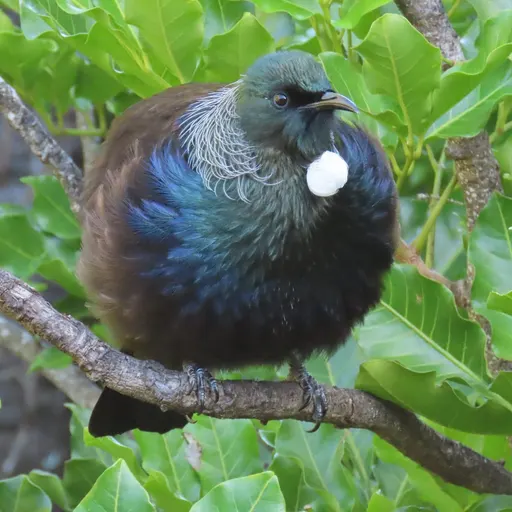 Birds of the North Island48 birds · New Zealand
-
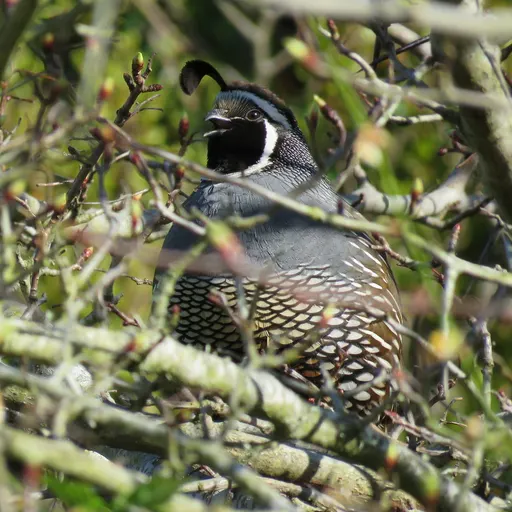 Birds of California88 birds · United States
-
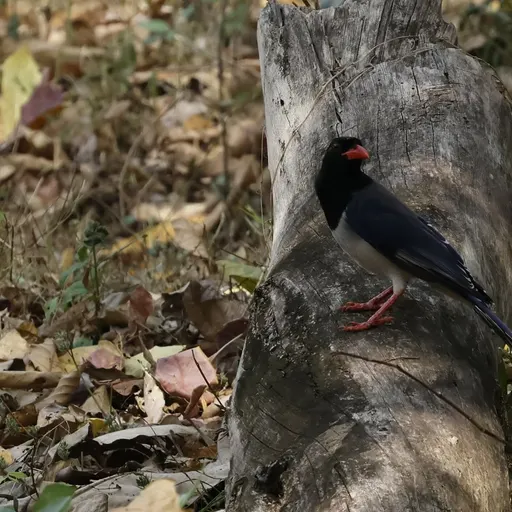 Birds of Northern Thailand50 birds · Thailand
-
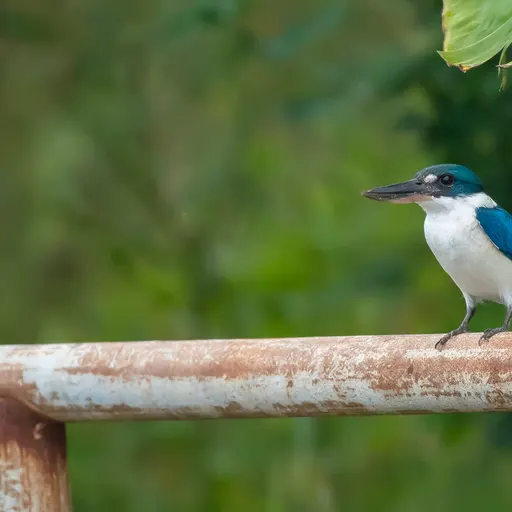 Birds of Central & Southern Thailand53 birds · Thailand
-
 Birds of the Pacific Northwest54 birds · United States
-
 Birds of Eastern North America65 birds · United States