 SongLark
United States
Learn the bird calls of the Pacific Northwest.
SongLark teaches you to name 54 birds of the Pacific Northwest by ear. Each lesson takes about three minutes and uses real field recordings, and every bird comes back for review just before you would forget it.
Your first course is free, with no ads.
The course
The 54 birds of the Pacific Northwest you will learn
The course starts with the birds you hear every day and works outwards, level by level. Each lesson introduces three or four of these birds by their calls.
Common birds you will hear in the Pacific Northwest: Anna's Hummingbird call, American Robin call, Black-capped Chickadee call, Dark-eyed Junco call and Song Sparrow call.
Level 1: City & Garden
The birds of every Seattle and Portland backyard. 9 birds, 4 lessons.
-
Anna's Hummingbird Calypte anna
A dry, scratchy buzzing song from an exposed twig; sharp chip notes and a loud dive-squeak.
-
American Robin Turdus migratorius
Rich caroling phrases, cheerily cheer-up cheerio; a scolding tut-tut-tut.
-
Black-capped Chickadee Poecile atricapillus
A buzzy chick-a-dee-dee-dee, and in late winter a clear, whistled fee-bee that falls in pitch.
-
Dark-eyed Junco Junco hyemalis
A dry even trill on one pitch; ticking smack notes when flushed.
-
Song Sparrow Melospiza melodia
Three sharp introductory notes then a jumbled trill; a nasal chimp call.
-
House Finch Haemorhous mexicanus
A long warbling tumble ending in a slurred, rising burr.
-
American Crow Corvus brachyrhynchos
A flat, nasal caw repeated in even series.
-
Steller's Jay Cyanocitta stelleri
A harsh shaack-shaack-shaack; a practised mimic of Red-tailed Hawk.
-
Spotted Towhee Pipilo maculatus
A rising, catlike mewww and a buzzy trilled song from deep cover.
Level 2: Parks & Winter Flocks
City parks, greenbelts and the birds that arrive for winter. 9 birds, 4 lessons.
-
Bushtit Psaltriparus minimus
Thin, constant sit sit contact notes from a moving flock; no real song.
-
Bewick's Wren Thryomanes bewickii
Buzzy introductory notes then a clear trill; a dry scolding rasp.
-
Northern Flicker Colaptes auratus
A loud descending kee-yer and a long, even wick-wick-wick series.
-
Downy Woodpecker Dryobates pubescens
A soft, flat pik and a whinnying rattle that falls in pitch toward the end.
-
Red-breasted Nuthatch Sitta canadensis
A nasal, tinny yank-yank, like a toy horn, repeated from high in the conifers.
-
Cedar Waxwing Bombycilla cedrorum
Flocks give very high, thin, lisping sreee notes, almost too high to hear.
-
White-crowned Sparrow Zonotrichia leucophrys
Clear whistle then a buzzy jumble. San Francisco birds sing a local dialect.
-
Golden-crowned Sparrow Zonotrichia atricapilla
Three plaintive descending whistles, oh dear me; a winter arrival.
-
Pine Siskin Spinus pinus
A rising, buzzy zreeeee and twittering chatter from flocks at feeders and in the treetops.
Level 3: Douglas-fir Forest
Moss, ferns and tall conifers from the Cascades to the coast. 9 birds, 4 lessons.
-
Pacific Wren Troglodytes pacificus
A tiny bird with a huge voice: a long, tumbling cascade of high, tinkling trills from the mossy forest floor.
-
Varied Thrush Ixoreus naevius
One long, eerie, buzzy whistle on a single pitch, then a pause and another on a different note.
-
Chestnut-backed Chickadee Poecile rufescens
A fast, hoarse tsick-a-zee-zee, buzzier and higher than other chickadees.
-
Golden-crowned Kinglet Regulus satrapa
Very high, thin see-see-see notes, often in threes, from flocks moving through the conifers.
-
Ruby-crowned Kinglet Corthylio calendula
A dry scolding je-dit; astonishingly loud tumbling song for the size of the bird.
-
Brown Creeper Certhia americana
A very high, thin seee, and a short, sweet song of high notes: trees, trees, beautiful trees.
-
Pileated Woodpecker Dryocopus pileatus
A loud, wild, ringing wuk-wuk-wuk-wuk that rises and falls, and slow, deep drumming.
-
Band-tailed Pigeon Patagioenas fasciata
A deep, owl-like, two-part whoo-hoo, slow and soft, from the forest canopy.
-
Common Raven Corvus corax
A deep, hoarse, croaking gronk, much lower than a crow, plus knocks and bell-like notes.
Level 4: Summer Songsters
The migrants that fill the woods from May to August. 9 birds, 4 lessons.
-
Swainson's Thrush Catharus ustulatus
A flute-like song of rolling phrases that spiral upward; the call is a liquid whit or pip.
-
Black-headed Grosbeak Pheucticus melanocephalus
A rich, rolling song like a robin that took singing lessons, and a sharp, squeaky pik.
-
Western Tanager Piranga ludoviciana
A hoarse, robin-like song of short phrases, and a rising, rattled pit-er-ick call.
-
Western Flycatcher Empidonax difficilis
A sharp, rising, two-part tsee-WEET call, like a question, from shady forest in summer.
-
Wilson's Warbler Cardellina pusilla
A fast chattering series that drops in pitch and speeds up at the finish.
-
Orange-crowned Warbler Leiothlypis celata
A flat trill that loosens and drops away at the end; a sharp stik call.
-
Hermit Thrush Catharus guttatus
A long, clear opening note then a ringing, ethereal flourish, each phrase pitched differently.
-
Violet-green Swallow Tachycineta thalassina
Thin, twittering chee-chee and tsip notes from fast flocks over towns and water.
-
American Goldfinch Spinus tristis
A cheerful po-ta-to-chip in bouncing flight, and a long, canary-like song of twitters.
Level 5: Valley Fields & Marshes
Willamette Valley farmland, wet meadows and cattail marsh. 9 birds, 4 lessons.
-
Red-winged Blackbird Agelaius phoeniceus
A gurgling konk-la-ree ending in a buzzy trill, from a cattail perch.
-
Marsh Wren Cistothorus palustris
A mechanical rattling trill, like a sewing machine, deep in the reeds.
-
Common Yellowthroat Geothlypis trichas
A rolling witchety-witchety-witchety from reeds and damp scrub.
-
Western Meadowlark Sturnella neglecta
A rich, flute-like song that bubbles and gurgles down the scale; Oregon's state bird.
-
Savannah Sparrow Passerculus sandwichensis
A thin, buzzy song: a few high chips, then a long insect-like buzz, then a short tsip.
-
Tree Swallow Tachycineta bicolor
Liquid, gurgling twitters and a cheerful, chirping song over ponds and marshes.
-
Sandhill Crane Antigone canadensis
A loud, rolling, bugling garoo-oo-oo that carries for miles over fields and marshes.
-
Virginia Rail Rallus limicola
A grunting, pig-like series that runs down the scale, and a sharp kid-ick, kid-ick.
-
Wood Duck Aix sponsa
Females give a rising, squealing oo-eek in flight; males a thin, high, rising whistle.
Level 6: Sound, Shore & Night
Puget Sound, rivers and lakes, and the owls after dark. 9 birds, 4 lessons.
-
Bald Eagle Haliaeetus leucocephalus
A surprisingly weak, high, chittering and piping series of notes, not a scream.
-
Osprey Pandion haliaetus
A series of loud, clear, whistled cheep-cheep-cheep notes, often around the nest.
-
Great Blue Heron Ardea herodias
A harsh, croaking frahnk given when flushed.
-
Belted Kingfisher Megaceryle alcyon
A dry mechanical rattle given in flight along the water.
-
Common Loon Gavia immer
A haunting, wavering wail and a crazy, laughing tremolo that carries across the water.
-
Red-tailed Hawk Buteo jamaicensis
A hoarse descending keeeer, the sound film uses for every eagle.
-
Barred Owl Strix varia
A loud, rhythmic hoot: who cooks for you, who cooks for you-all, often in duets.
-
Western Screech-Owl Megascops kennicottii
A series of soft, hollow toots that speed up like a bouncing ball.
-
Great Horned Owl Bubo virginianus
A deep, soft hoo-hoo-hooo hoo hoo carrying a long way after dark.
How it works
A course, not a soundboard.
Listen and answer
A call plays. You pick the bird. New species are mixed with the ones you have already met, so the answers never come from elimination.
Review at the right time
Every bird you meet gets a review date. Get one right and it slides further away; miss it and it comes back tomorrow.
Hear it outside
Three minutes a day is the whole commitment. Ten lessons in, you will pick calls out of the dawn chorus in the Pacific Northwest.
Get SongLark
Start learning the birds of the Pacific Northwest today
Install SongLark, sign in, and choose Birds of the Pacific Northwest as your course. Your first course is free.
- On Android? Install it from Google Play and sign in with Google.
- On iPhone? SongLark is coming soon to the App Store.
- One account, every device. Your progress syncs, so you can switch between devices.
Questions
Frequently asked
Which birds does the the Pacific Northwest course teach?
54 birds of the Pacific Northwest, in six levels: City & Garden, Parks & Winter Flocks, Douglas-fir Forest, Summer Songsters, Valley Fields & Marshes and Sound, Shore & Night. It starts with Anna's Hummingbird, American Robin and Black-capped Chickadee. The full list is on this page.
Is the course free?
Yes, your first course is free and there are no ads. When you first sign in, you choose one course to keep. Choose the Pacific Northwest.
Do I need to know anything about birds already?
No. The course starts with the loudest, most common birds and adds three or four new species per lesson, reviewing earlier ones as you go.
Which phones can run SongLark?
On Android, install SongLark from Google Play. On iPhone, SongLark is coming soon to the App Store. It is the same account on both, so your progress follows you between devices.
Does SongLark identify a bird I record myself?
No. That is the opposite of what SongLark does. Rather than having an app name the bird for you, SongLark trains your own ear so you can name it yourself.
How long does a lesson take?
About three minutes. A lesson opens with a short review of the calls you are due to forget, then introduces three or four new birds.
Other regions
Courses for other places
-
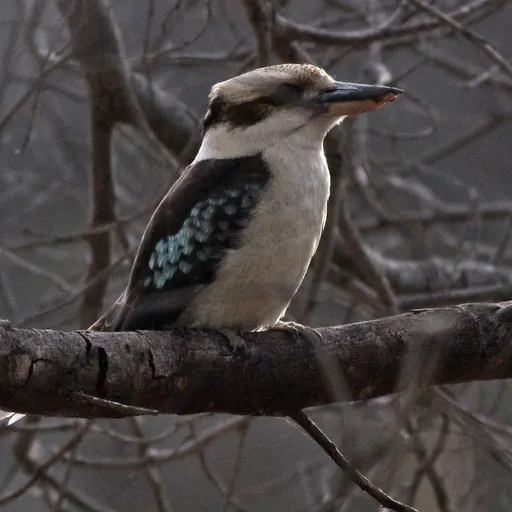 Birds of New South Wales49 birds · Australia
-
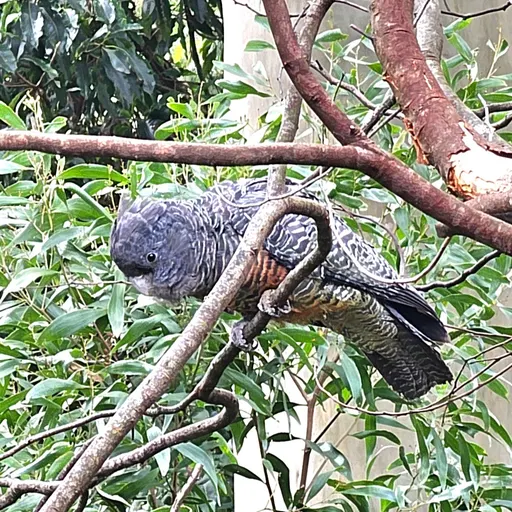 Birds of Victoria48 birds · Australia
-
Birds of Southeast QLD48 birds · Australia
-
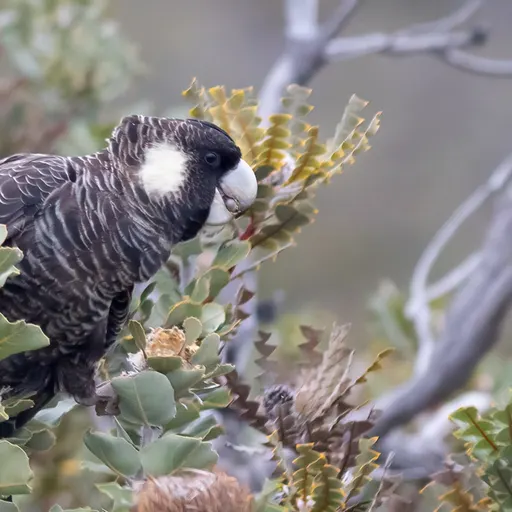 Birds of Western Australia47 birds · Australia
-
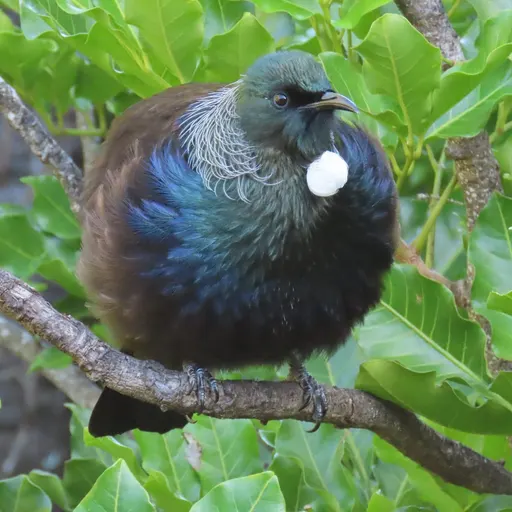 Birds of the North Island48 birds · New Zealand
-
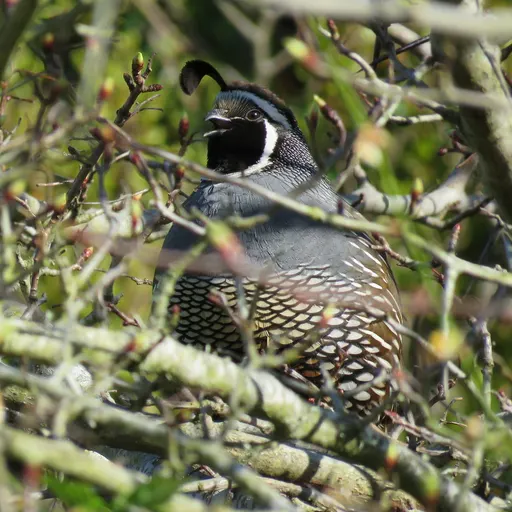 Birds of California88 birds · United States
-
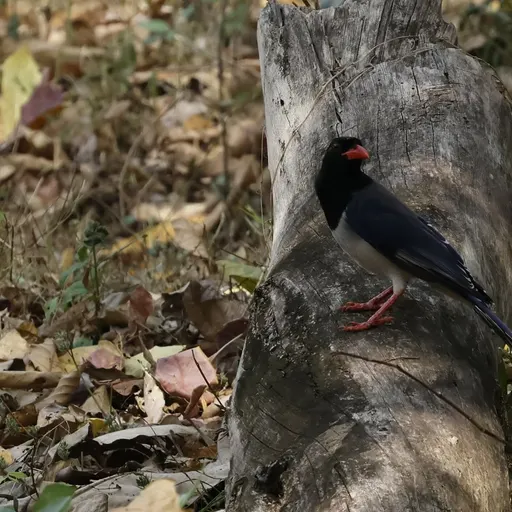 Birds of Northern Thailand50 birds · Thailand
-
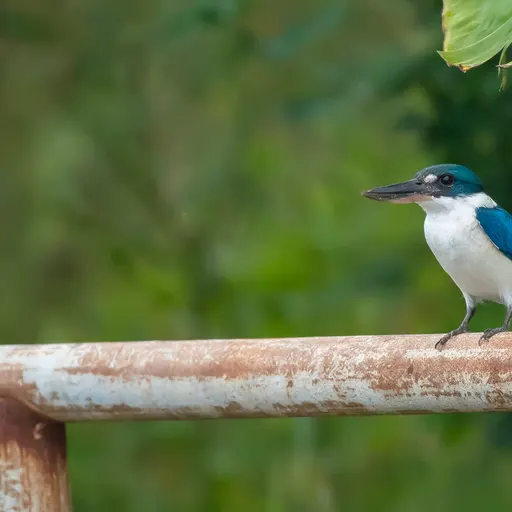 Birds of Central & Southern Thailand53 birds · Thailand
-
 Birds of England55 birds · United Kingdom
-
 Birds of Eastern North America65 birds · United States