 SongLark
United States
Learn the bird calls of eastern North America.
SongLark teaches you to name 65 birds of eastern North America by ear. Each lesson takes about three minutes and uses real field recordings, and every bird comes back for review just before you would forget it.
Your first course is free, with no ads.
The course
The 65 birds of eastern North America you will learn
The course starts with the birds you hear every day and works outwards, level by level. Each lesson introduces three or four of these birds by their calls.
Common birds you will hear in eastern North America: Northern Cardinal call, American Robin call, Blue Jay call, Black-capped Chickadee call and Tufted Titmouse call.
Level 1: Backyard & Feeder
The birds you hear every day. 9 birds, 4 lessons.
-
Northern Cardinal Cardinalis cardinalis
Loud, clear whistled phrases, cheer-cheer-cheer or birdie-birdie-birdie; a sharp metallic chip.
-
American Robin Turdus migratorius
Rich caroling phrases, cheerily cheer-up cheerio; a scolding tut-tut-tut.
-
Blue Jay Cyanocitta cristata
A harsh, scolding jay! jay! and a squeaky pumphandle call; often mimics Red-shouldered Hawk.
-
Black-capped Chickadee Poecile atricapillus
A buzzy chick-a-dee-dee-dee, and in late winter a clear, whistled fee-bee that falls in pitch.
-
Tufted Titmouse Baeolophus bicolor
A loud, whistled peter-peter-peter, repeated from treetops all year.
-
Carolina Wren Thryothorus ludovicianus
A big voice for a small bird: a rolling teakettle-teakettle-teakettle, sung all year.
-
Mourning Dove Zenaida macroura
A mournful coo-OO-oo-oo-oo; wings whistle sharply on takeoff.
-
House Finch Haemorhous mexicanus
A long warbling tumble ending in a slurred, rising burr.
-
American Goldfinch Spinus tristis
A cheerful po-ta-to-chip in bouncing flight, and a long, canary-like song of twitters.
Level 2: Suburb & Park
Lawns, hedges and city streets. 13 birds, 5 lessons.
-
Northern Mockingbird Mimus polyglottos
Endless strings of borrowed phrases, each repeated three or more times, often all night.
-
Gray Catbird Dumetella carolinensis
A rambling, scratchy jumble of notes, each sung once, and a cat-like mew call.
-
Brown Thrasher Toxostoma rufum
A long song of varied phrases, each usually sung twice: plant-a-seed, plant-a-seed.
-
Downy Woodpecker Dryobates pubescens
A soft, flat pik and a whinnying rattle that falls in pitch toward the end.
-
Red-bellied Woodpecker Melanerpes carolinus
A rolling, throaty kwirr or churr, repeated from the trunk.
-
White-breasted Nuthatch Sitta carolinensis
A nasal, low yank-yank-yank, slower and deeper than Red-breasted.
-
Common Grackle Quiscalus quiscula
Creaky, rusty-hinge squeaks and harsh chack calls, often from noisy flocks.
-
Common Starling Sturnus vulgaris
Rambling whistles, clicks and mimicry from rooftops and wires.
-
House Sparrow Passer domesticus
Monotonous cheeping and chirping around buildings.
-
Chipping Sparrow Spizella passerina
A flat, dry, even trill of chips on one pitch, like a sewing machine.
-
Song Sparrow Melospiza melodia
Three sharp introductory notes then a jumbled trill; a nasal chimp call.
-
White-throated Sparrow Zonotrichia albicollis
A pure, whistled Old Sam Peabody-Peabody-Peabody, or O sweet Canada-Canada.
-
Dark-eyed Junco Junco hyemalis
A dry even trill on one pitch; ticking smack notes when flushed.
Level 3: Deciduous Forest
Songs from the leafy canopy. 12 birds, 5 lessons.
-
Red-eyed Vireo Vireo olivaceus
Short, robin-like phrases repeated all day: here-I-am, where-are-you?
-
Wood Thrush Hylocichla mustelina
A flute-like ee-oh-lay ending in a buzzy trill, echoing through summer woods.
-
Ovenbird Seiurus aurocapilla
A loud, ringing teacher-teacher-TEACHER that grows louder from the forest floor.
-
Eastern Wood-Pewee Contopus virens
A slow, plaintive, whistled pee-a-wee, then a falling pee-yer.
-
Scarlet Tanager Piranga olivacea
A hoarse, burry robin-like song and a distinctive chip-burr call.
-
Rose-breasted Grosbeak Pheucticus ludovicianus
A sweet, rich robin-like warble, and a squeaky eek call like a sneaker on a gym floor.
-
Pileated Woodpecker Dryocopus pileatus
A loud, wild, ringing wuk-wuk-wuk-wuk that rises and falls, and slow, deep drumming.
-
Northern Flicker Colaptes auratus
A loud descending kee-yer and a long, even wick-wick-wick series.
-
American Crow Corvus brachyrhynchos
A flat, nasal caw repeated in even series.
-
Veery Catharus fuscescens
A breezy, downward-spiralling vee-ur, vee-ur, veer, veer that sounds like it is played in a pipe.
-
Hermit Thrush Catharus guttatus
A long, clear opening note then a ringing, ethereal flourish, each phrase pitched differently.
-
Black-throated Green Warbler Setophaga virens
A lazy, buzzy zoo-zee, zoo-zoo-zee from the tops of conifers.
Level 4: Fields & Edges
Meadows, hedgerows and summer visitors. 13 birds, 5 lessons.
-
Eastern Bluebird Sialia sialis
A soft, low, warbled chur-lee, chur-lee and a gentle tu-a-wee call.
-
Eastern Towhee Pipilo erythrophthalmus
A bright drink-your-teeeee and a rising chewink call from the undergrowth.
-
Indigo Bunting Passerina cyanea
Bright, paired phrases: fire-fire, where-where, here-here, see-it, see-it.
-
Field Sparrow Spizella pusilla
Sweet, slurred whistles that speed up into a trill, like a bouncing ball.
-
Eastern Meadowlark Sturnella magna
A clear, slurred, whistled see-you, see-yeeer from a fence post.
-
Eastern Phoebe Sayornis phoebe
A raspy, emphatic fee-bee, fee-b-be; wags its tail on a low perch.
-
Northern Yellow Warbler Setophaga aestiva
A bright, quick sweet-sweet-sweet, I'm so sweet.
-
Common Yellowthroat Geothlypis trichas
A rolling witchety-witchety-witchety from reeds and damp scrub.
-
Baltimore Oriole Icterus galbula
Rich, whistled, flute-like notes in short phrases, and a dry chattering rattle.
-
Tree Swallow Tachycineta bicolor
Liquid, gurgling twitters and a cheerful, chirping song over ponds and marshes.
-
Barn Swallow Hirundo rustica
A cheerful, twittering warble with a dry rattle; long tail streamers over farms and fields.
-
Cedar Waxwing Bombycilla cedrorum
Flocks give very high, thin, lisping sreee notes, almost too high to hear.
-
Killdeer Charadrius vociferus
A piercing kill-DEER, often given on the wing at night.
Level 5: Lakes, Marsh & Shore
Cattails, ponds and big lakes. 10 birds, 4 lessons.
-
Red-winged Blackbird Agelaius phoeniceus
A gurgling konk-la-ree ending in a buzzy trill, from a cattail perch.
-
Marsh Wren Cistothorus palustris
A mechanical rattling trill, like a sewing machine, deep in the reeds.
-
Pied-billed Grebe Podilymbus podiceps
A long whinnying series of cow notes that slows and falls away.
-
Canada Goose Branta canadensis
A loud, honking 'ah-honk', given in noisy chorus from flocks on park lakes and in flight.
-
Mallard Anas platyrhynchos
The classic duck's 'quack-quack-quack', loud and descending from the female; drakes give soft, rasping notes.
-
Wood Duck Aix sponsa
Females give a rising, squealing oo-eek in flight; males a thin, high, rising whistle.
-
Great Blue Heron Ardea herodias
A harsh, croaking frahnk given when flushed.
-
Belted Kingfisher Megaceryle alcyon
A dry mechanical rattle given in flight along the water.
-
Common Loon Gavia immer
A haunting, wavering wail and a crazy, laughing tremolo that carries across the water.
-
Ring-billed Gull Larus delawarensis
High, mewing kee-ow calls and long, laughing calls from parking lots and shores.
Level 6: Hawks, Owls & Night
Raptors by day, voices after dark. 8 birds, 4 lessons.
-
Red-tailed Hawk Buteo jamaicensis
A hoarse descending keeeer, the sound film uses for every eagle.
-
Red-shouldered Hawk Buteo lineatus
A loud, repeated kee-ah, kee-ah, kee-ah from wet woods; Blue Jays imitate it.
-
Bald Eagle Haliaeetus leucocephalus
A surprisingly weak, high, chittering and piping series of notes, not a scream.
-
Barred Owl Strix varia
A loud, rhythmic hoot: who cooks for you, who cooks for you-all, often in duets.
-
Great Horned Owl Bubo virginianus
A deep, soft hoo-hoo-hooo hoo hoo carrying a long way after dark.
-
Eastern Screech-Owl Megascops asio
A soft, descending horse-like whinny and a long, even trill on one pitch.
-
Eastern Whip-poor-will Antrostomus vociferus
Its name, whip-poor-WILL, repeated over and over through spring nights.
-
American Woodcock Scolopax minor
A buzzy, nasal peent at dusk, then twittering wings in a sky dance.
How it works
A course, not a soundboard.
Listen and answer
A call plays. You pick the bird. New species are mixed with the ones you have already met, so the answers never come from elimination.
Review at the right time
Every bird you meet gets a review date. Get one right and it slides further away; miss it and it comes back tomorrow.
Hear it outside
Three minutes a day is the whole commitment. Ten lessons in, you will pick calls out of the dawn chorus in eastern North America.
Get SongLark
Start learning the birds of eastern North America today
Install SongLark, sign in, and choose Birds of Eastern North America as your course. Your first course is free.
- On Android? Install it from Google Play and sign in with Google.
- On iPhone? SongLark is coming soon to the App Store.
- One account, every device. Your progress syncs, so you can switch between devices.
Questions
Frequently asked
Which birds does the eastern North America course teach?
65 birds of eastern North America, in six levels: Backyard & Feeder, Suburb & Park, Deciduous Forest, Fields & Edges, Lakes, Marsh & Shore and Hawks, Owls & Night. It starts with Northern Cardinal, American Robin and Blue Jay. The full list is on this page.
Is the course free?
Yes, your first course is free and there are no ads. When you first sign in, you choose one course to keep. Choose eastern North America.
Do I need to know anything about birds already?
No. The course starts with the loudest, most common birds and adds three or four new species per lesson, reviewing earlier ones as you go.
Which phones can run SongLark?
On Android, install SongLark from Google Play. On iPhone, SongLark is coming soon to the App Store. It is the same account on both, so your progress follows you between devices.
Does SongLark identify a bird I record myself?
No. That is the opposite of what SongLark does. Rather than having an app name the bird for you, SongLark trains your own ear so you can name it yourself.
How long does a lesson take?
About three minutes. A lesson opens with a short review of the calls you are due to forget, then introduces three or four new birds.
Other regions
Courses for other places
-
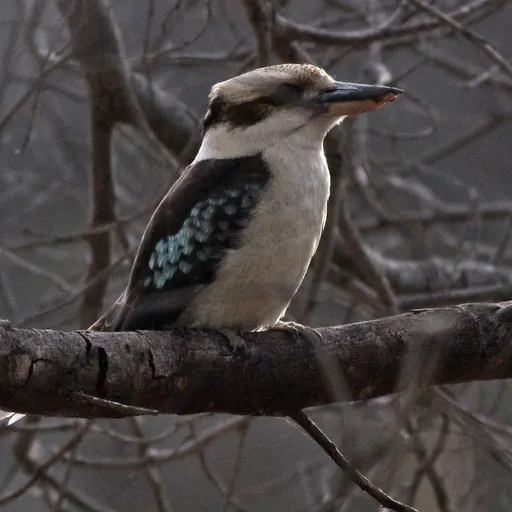 Birds of New South Wales49 birds · Australia
-
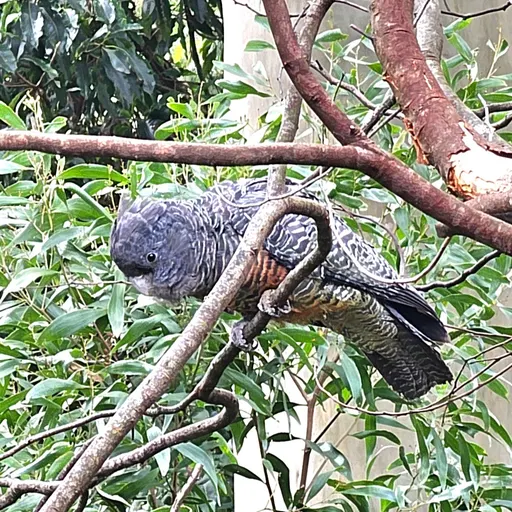 Birds of Victoria48 birds · Australia
-
Birds of Southeast QLD48 birds · Australia
-
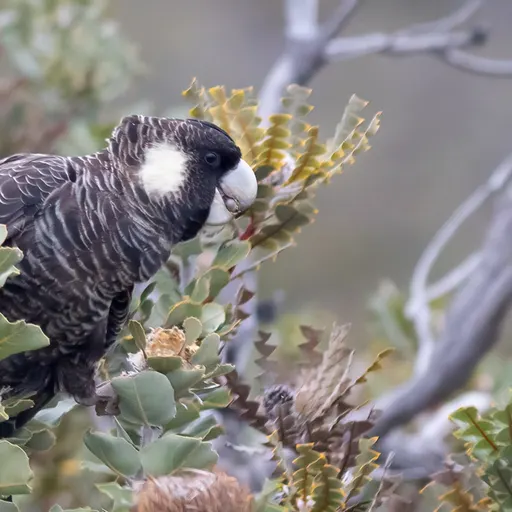 Birds of Western Australia47 birds · Australia
-
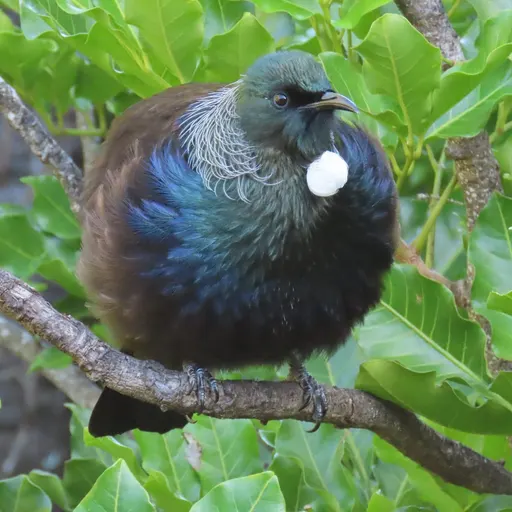 Birds of the North Island48 birds · New Zealand
-
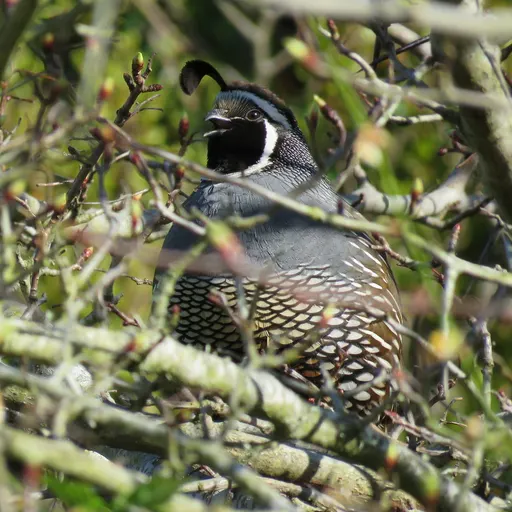 Birds of California88 birds · United States
-
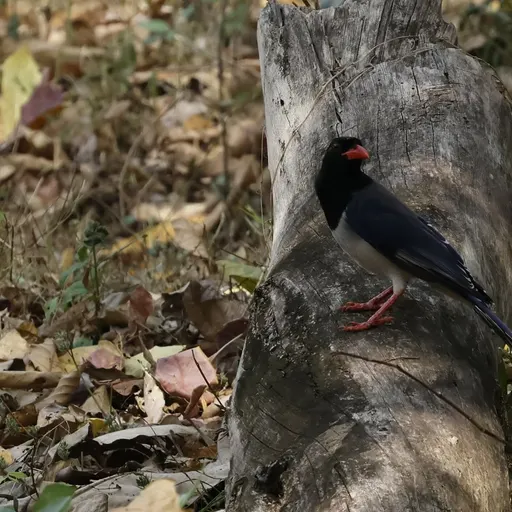 Birds of Northern Thailand50 birds · Thailand
-
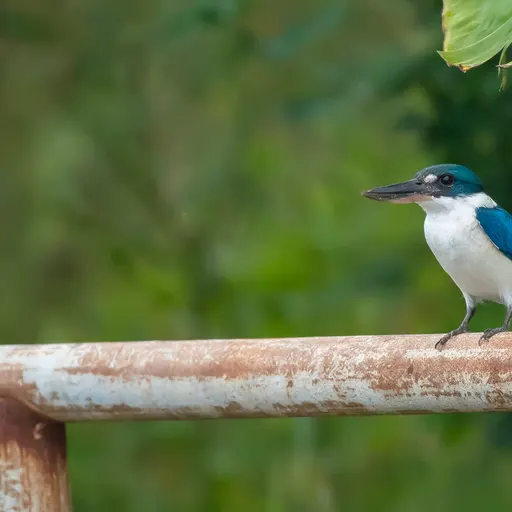 Birds of Central & Southern Thailand53 birds · Thailand
-
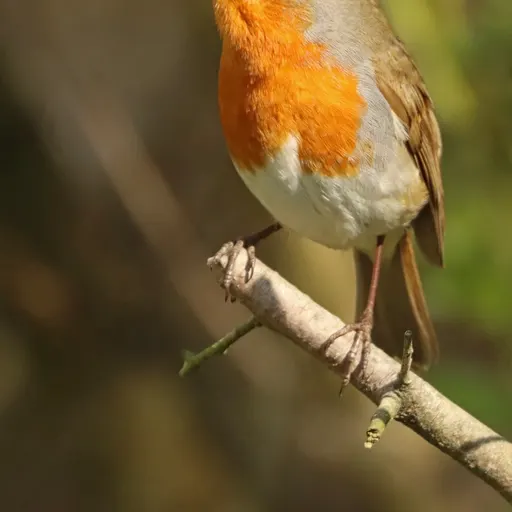 Birds of England55 birds · United Kingdom
-
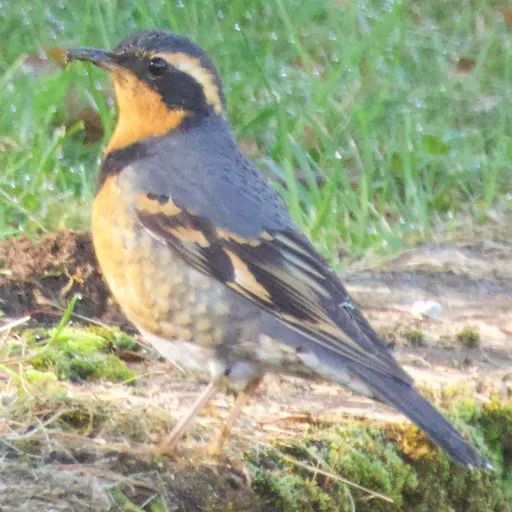 Birds of the Pacific Northwest54 birds · United States