 SongLark
Australia
Learn the bird calls of Western Australia.
SongLark teaches you to name 47 birds of Western Australia by ear. Each lesson takes about three minutes and uses real field recordings, and every bird comes back for review just before you would forget it.
Your first course is free, with no ads.
The course
The 47 birds of Western Australia you will learn
The course starts with the birds you hear every day and works outwards, level by level. Each lesson introduces three or four of these birds by their calls.
Common birds you will hear in Western Australia: Australian Magpie call, Laughing Kookaburra call, Rainbow Lorikeet call, Willie Wagtail call and Red Wattlebird call.
Level 1: Perth Backyard
The birds you hear every day. 9 birds, 4 lessons.
-
Australian Magpie Gymnorhina tibicen
Fluty, warbling phrases; often daytime chorus.
-
Laughing Kookaburra Dacelo novaeguineae
Famous rolling laughter, often in groups.
-
Rainbow Lorikeet Trichoglossus moluccanus
Continuous screeching chatter, very loud in flocks.
-
Willie Wagtail Rhipidura leucophrys
Scolding 'chit-chit' and sweet descending song at dawn.
-
Red Wattlebird Anthochaera carunculata
Harsh, coughing 'yak-a-yak' and raucous chacking.
-
Singing Honeyeater Gavicalis virescens
Loud, rolling 'prrip-prrip' and rich warbles; a grey-brown honeyeater with a black eye-stripe.
-
Magpie-lark Grallina cyanoleuca
Loud, repeated 'pee-o-wit' often in duet.
-
Australian Raven Corvus coronoides
Drawn-out, descending wailing 'aaah-aaah-aaaaah'.
-
Spotted Dove Spilopelia chinensis
Gentle repeated 'coo-coo-croook'.
Level 2: Black-Cockatoos & Parrots
Loud, wailing and hard to miss. 6 birds, 3 lessons.
-
Carnaby's Black-Cockatoo Zanda latirostris
Drawn-out, wailing 'wee-lah' from flocks flying over; white tail panels.
-
Red-tailed Black-Cockatoo Calyptorhynchus banksii
Harsh, rolling 'krurr' contact calls, rougher than Carnaby's; red tail panels on males.
-
Galah Eolophus roseicapilla
High-pitched 'chi-chi' screeches, often from flocks.
-
Australian Ringneck Barnardius zonarius
Sharp, ringing 'kling-kling'; in the south-west, the 'twenty-eight' call it is named for.
-
Little Corella Cacatua sanguinea
Raucous, screeching, quavering flock calls.
-
Long-billed Corella Cacatua tenuirostris
Harsh, wavering screeches and a distinctive rising 'currup'.
Level 3: Honeyeaters & Small Birds
Busy voices in the banksias. 9 birds, 4 lessons.
-
New Holland Honeyeater Phylidonyris novaehollandiae
Busy, chittering twitter with sharp metallic notes.
-
Brown Honeyeater Lichmera indistincta
A small, plain bird with a big voice: loud, quick, sweet runs of notes.
-
White-cheeked Honeyeater Phylidonyris niger
Bright 'chip-chip' and a rising 'twee-ee-ip'; a big white cheek patch.
-
Silvereye Zosterops lateralis
Warbling, tinkling song and thin 'tsee' contact calls.
-
Striated Pardalote Pardalotus striatus
Insistent repeated 'pick-it-up' double or triple notes.
-
Spotted Pardalote Pardalotus punctatus
Repeated, soft, far-carrying 'sleep-may-bee' whistle.
-
House Sparrow Passer domesticus
Monotonous cheeping and chirping around buildings.
-
Welcome Swallow Hirundo neoxena
Twittering chattering warble; sharp 'seet' in flight.
-
Grey Fantail Rhipidura albiscapa
Thin, tinkling, ascending sequence of high notes.
Level 4: Bush Songbirds
Gerygones, thornbills and whistlers. 9 birds, 4 lessons.
-
Western Gerygone Gerygone fusca
A sweet, wandering, falling song that seems to trail away in mid-phrase.
-
Western Thornbill Acanthiza inornata
Soft, sweet twitters and 'tchip' notes from small, plain flocks.
-
Inland Thornbill Acanthiza apicalis
A loud, scolding 'tchip' and a sweet, quick warble; cocked tail.
-
Weebill Smicrornis brevirostris
Australia's smallest bird with a loud, clear 'wee-bill' or 'sweet-pea' call.
-
Scarlet Robin Petroica boodang
A thin, high, rattling trill, 'wee-cheedalee-dalee'; males have a scarlet breast.
-
Rufous Treecreeper Climacteris rufus
Loud, sharp, repeated 'peet-peet-peet' from a bird spiralling up a trunk.
-
Golden Whistler Pachycephala pectoralis
Rich rising whistles ending in a sharp whip-crack.
-
Grey Shrikethrush Colluricincla harmonica
Mellow, musical piping phrases.
-
Grey Butcherbird Cracticus torquatus
Rich, piping fluty phrases delivered from a high perch.
Level 5: Lakes & Wetlands
Perth's lakes and reed beds. 8 birds, 4 lessons.
-
Australasian Swamphen Porphyrio melanotus
Maori: pukeko. Loud harsh screeches and nasal shrieks from wetland edges.
-
Eurasian Coot Fulica atra
A sharp, explosive 'kowk' or 'pik'; a black waterbird with a white face shield.
-
Dusky Moorhen Gallinula tenebrosa
A loud, abrupt 'krurk' and 'kik-kik'; a red-and-yellow bill on a dark bird.
-
Black Swan Cygnus atratus
A far-carrying musical bugle, often from a flock on the water.
-
Australian White Ibis Threskiornis molucca
Mostly silent; low croaks and grunts at colonies.
-
Australian Reed Warbler Acrocephalus australis
A loud, rich, chattering 'chut-chut-chut, twee-twee' from reeds in spring.
-
Little Grassbird Poodytes gramineus
A mournful, three-note whistle, 'tu-whee-whee', from dense reeds.
-
Sacred Kingfisher Todiramphus sanctus
Maori: kotare. A hard staccato kek-kek-kek from a wire or bare branch.
Level 6: Hidden Voices & the Night
South-west specialists and the bush after dark. 6 birds, 3 lessons.
-
Western Whipbird Psophodes nigrogularis
A harsh, scratchy duet, 'it's-for-teacher', from deep coastal heath.
-
Noisy Scrub-bird Atrichornis clamosus
Extremely loud, ringing, accelerating 'chip-chip-chip-CHIP' from dense thicket near Albany.
-
Fan-tailed Cuckoo Cacomantis flabelliformis
A long, mournful, descending trill, repeated through the day in spring.
-
Australian Boobook Ninox boobook
The classic two-note 'boo-book' of the night, repeated over and over.
-
Tawny Frogmouth Podargus strigoides
Low, repetitive soft 'oom-oom-oom' at night.
-
Australian Owlet-nightjar Aegotheles cristatus
A churring, rattling 'chirr-chirr' from a tree hollow after dark.
How it works
A course, not a soundboard.
Listen and answer
A call plays. You pick the bird. New species are mixed with the ones you have already met, so the answers never come from elimination.
Review at the right time
Every bird you meet gets a review date. Get one right and it slides further away; miss it and it comes back tomorrow.
Hear it outside
Three minutes a day is the whole commitment. Ten lessons in, you will pick calls out of the dawn chorus in Western Australia.
Get SongLark
Start learning the birds of Western Australia today
Install SongLark, sign in, and choose Birds of Western Australia as your course. Your first course is free.
- On Android? Install it from Google Play and sign in with Google.
- On iPhone? SongLark is coming soon to the App Store.
- One account, every device. Your progress syncs, so you can switch between devices.
Questions
Frequently asked
Which birds does the Western Australia course teach?
47 birds of Western Australia, in six levels: Perth Backyard, Black-Cockatoos & Parrots, Honeyeaters & Small Birds, Bush Songbirds, Lakes & Wetlands and Hidden Voices & the Night. It starts with Australian Magpie, Laughing Kookaburra and Rainbow Lorikeet. The full list is on this page.
Is the course free?
Yes, your first course is free and there are no ads. When you first sign in, you choose one course to keep. Choose Western Australia.
Do I need to know anything about birds already?
No. The course starts with the loudest, most common birds and adds three or four new species per lesson, reviewing earlier ones as you go.
Which phones can run SongLark?
On Android, install SongLark from Google Play. On iPhone, SongLark is coming soon to the App Store. It is the same account on both, so your progress follows you between devices.
Does SongLark identify a bird I record myself?
No. That is the opposite of what SongLark does. Rather than having an app name the bird for you, SongLark trains your own ear so you can name it yourself.
How long does a lesson take?
About three minutes. A lesson opens with a short review of the calls you are due to forget, then introduces three or four new birds.
Other regions
Courses for other places
-
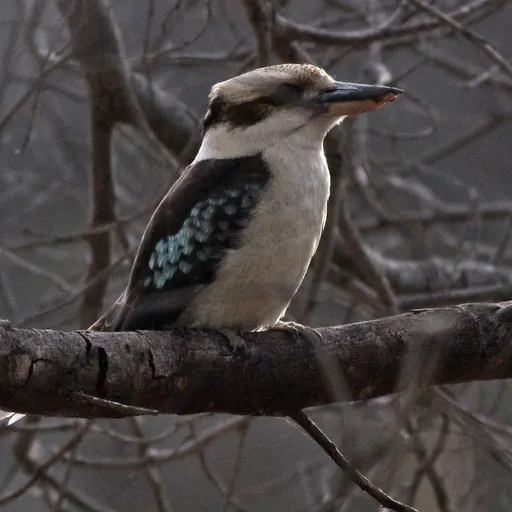 Birds of New South Wales49 birds · Australia
-
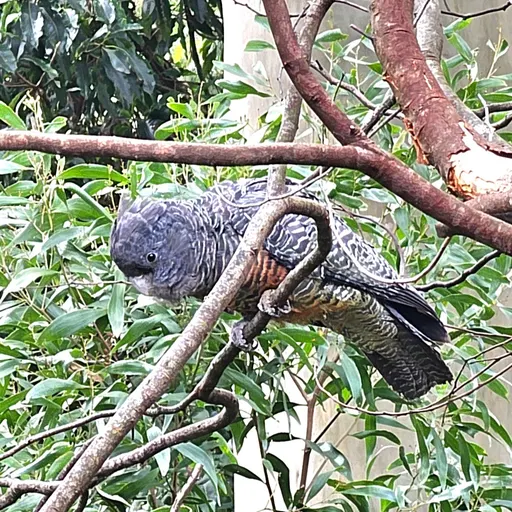 Birds of Victoria48 birds · Australia
-
Birds of Southeast QLD48 birds · Australia
-
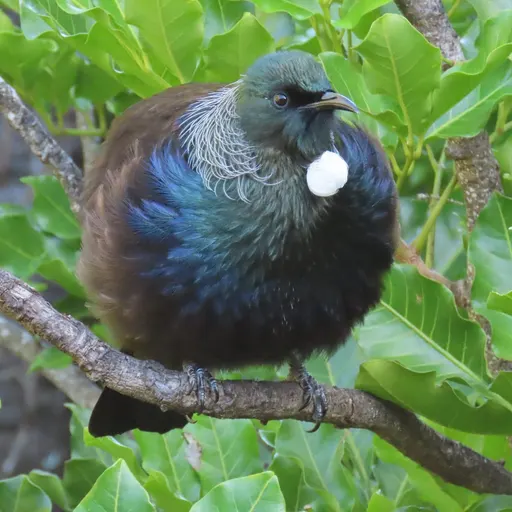 Birds of the North Island48 birds · New Zealand
-
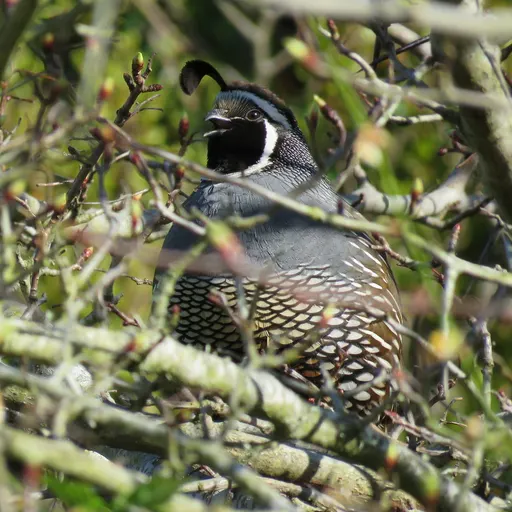 Birds of California88 birds · United States
-
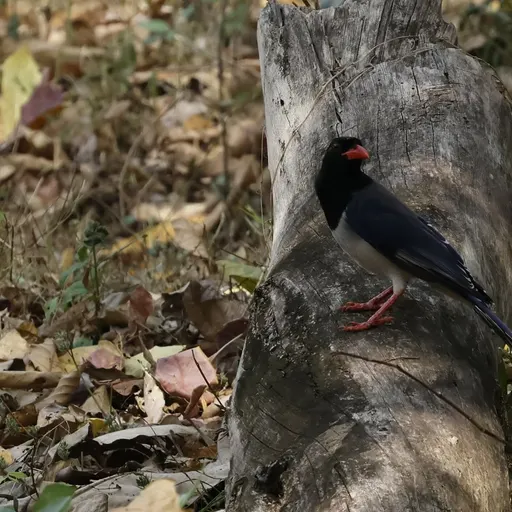 Birds of Northern Thailand50 birds · Thailand
-
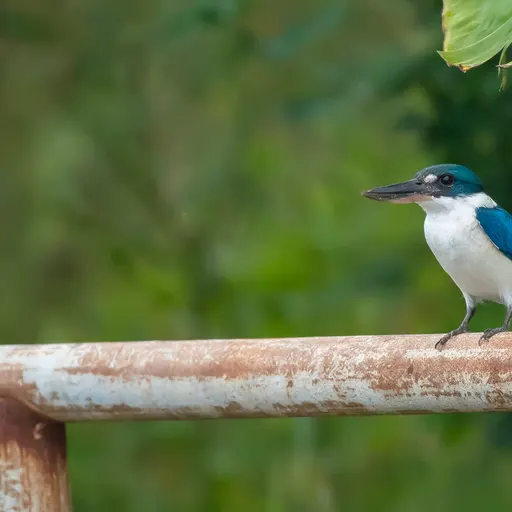 Birds of Central & Southern Thailand53 birds · Thailand
-
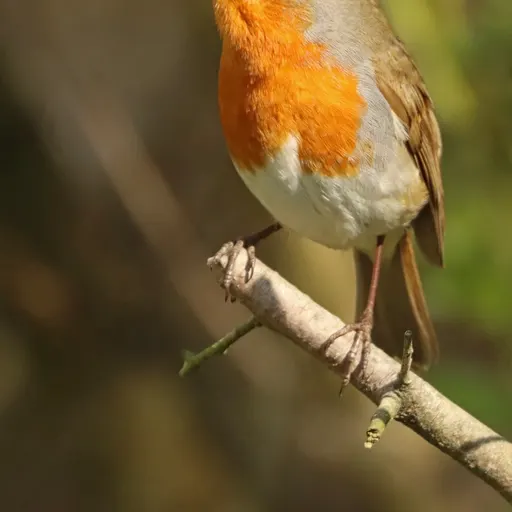 Birds of England55 birds · United Kingdom
-
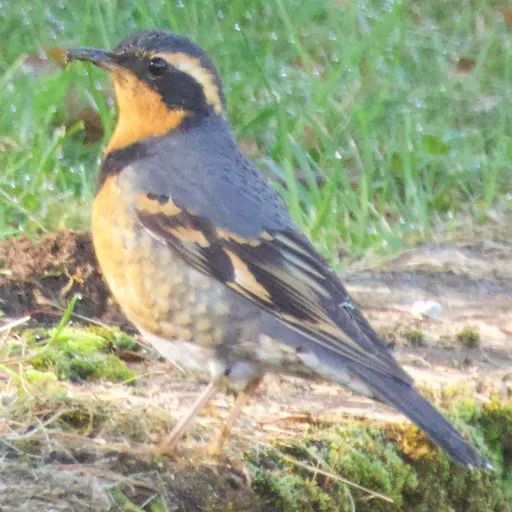 Birds of the Pacific Northwest54 birds · United States
-
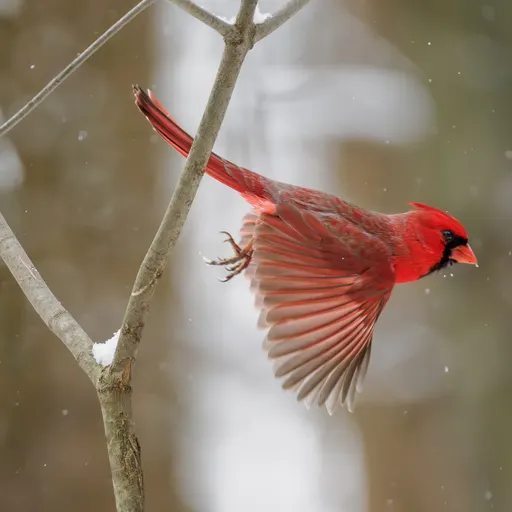 Birds of Eastern North America65 birds · United States